
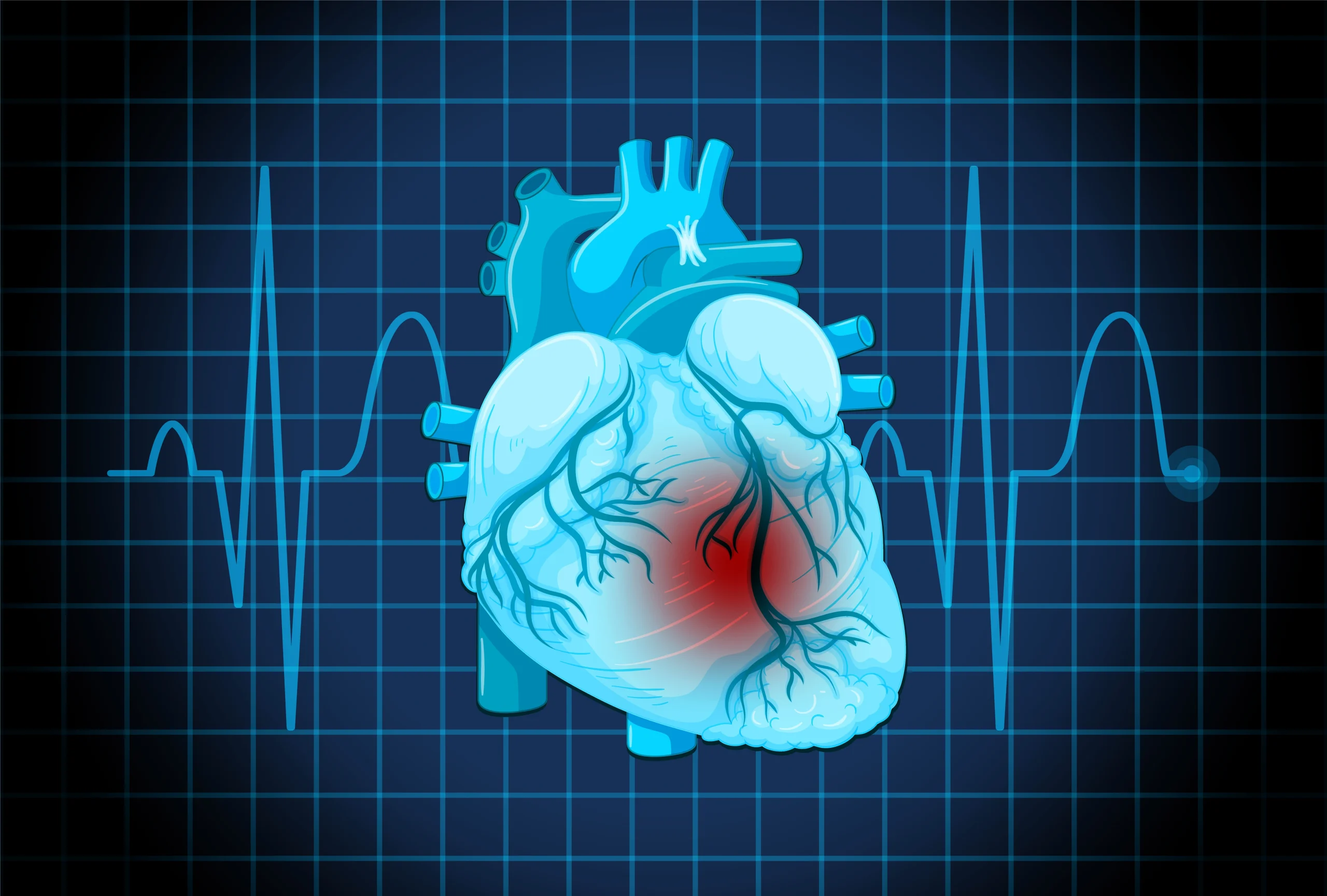
It may surprise you to learn heart disease still claims more lives worldwide than any other condition, though numerous affected individuals notice faint symptoms well ahead of crisis moments. Despite blockages or irregular rhythms, the body’s pump frequently adjusts silently function continues without obvious disruption. In 2026, detection tools have advanced significantly; despite this progress, personal awareness holds unmatched value. Recognition of initial changes might lead toward scheduled care instead of sudden hospital arrival. Because internal shifts often precede visible harm, attention to quiet cues becomes essential.
Unexplained Fatigue and Exhaustion
Though tiredness happens to all now and then, unusual weariness not matching effort raises concern. When basic tasks like cleaning require rest afterward, or brief walks leave breath shallow, circulation could lack strength to deliver sufficient oxygen. Such low energy arrives as a weighty drag, continuing even after long sleep. Vital areas take precedence in resource distribution, leaving limbs and mind underfed. Recognition of this imbalance allows early response, preventing deeper strain on cardiac function.
Chest Discomfort and Pressure
Occasionally, chest discomfort tied to the heart does not come across as intense or piercing. Some individuals sense it more as heaviness, tightness, or a vague ache deep within the middle of the torso. Referred to medically as angina, this experience might persist briefly before fading, typically appearing during activity or periods of tension. Since symptoms sometimes mirror those of digestive upset, they are commonly dismissed without concern. Still, discomfort spreading toward the jaw, neck, or left arm demands attention – it may point to reduced circulation. Observing timing offers clues, especially if symptoms arise during exertion. Yet patterns often emerge only through careful observation over days.
Shortness of Breath and Air Hunger
Should breathing feel harder during simple tasks once managed without effort, coordination between heart and lungs might be disrupted. At times, the need for air arises even when motionless, perhaps while reclining. Fluid accumulation in lung tissue may follow weak cardiac output, limiting full inhalation. Rather than dismiss shortness of breath as natural decline or low stamina, consider its role as a marker for strained circulation. Difficulty sustaining oxygen exchange often reflects heart limitations more than physical unfitness. What feels like fatigue could instead signal an organ system working beyond normal capacity.
The Role of Systemic Health and Fluid Balance
Fluid balance across the body supports proper heart function. Through careful control of blood pressure, the kidneys assist in keeping circulation steady. When cardiac output declines, less blood reaches the kidneys, which may result in swelling of lower limbs. In children showing signs of water retention, evaluation by a specialist in pediatric urinary health helps determine whether kidney dysfunction or heart strain is responsible. Stable organ interaction reduces effort required by the heart, allowing smoother operation over time. Long-term wellness relies on consistent management of these linked systems.
Skin Signs and Feeling Differences
Skin appearance may signal how well the heart and blood vessels function. When oxygen levels drop due to weak circulation, lips or nails sometimes turn blue – a condition named cyanosis. In certain individuals facing elevated cholesterol or cardiac concerns, tiny yellow lumps referred to as xanthomas appear on the surface of the skin. Should ongoing rashes or shifts in hue occur together with signs pointing toward heart irregularities, evaluation by a doctor specializing in children’s dermatology might uncover connections between outward changes and inner swelling processes. Deep inside your body, vessels influence how skin behaves. When shifts appear on the outer layer, they often reflect inner circulatory patterns. Observations at the surface may reveal conditions forming beneath. What shows up on skin might signal earlier developments in blood flow dynamics.
Persistent Cough and Wheezing
Not every persistent cough signals a common cold or respiratory infection. At times, ongoing coughing with pale or slightly rosy phlegm points toward heart-related decline. When the heart struggles to manage circulation, liquid seeps into lung tissue. Such breathing trouble tends to intensify during rest, especially while reclined. A whistling noise might occur alongside the throat clearing. When conventional remedies fail to ease a persistent cough, consider examining cardiac function. Early recognition helps avoid excessive buildup of fluid around the lungs. Though often overlooked, such signs may point beyond respiratory issues. Monitoring changes closely supports better outcomes over time.
Dizziness and Light-headedness
Occasionally, a person may feel unsteady or lightheaded due to common triggers like lack of fluids or rising abruptly. Still, when such sensations come alongside tightness in the chest or difficulty breathing, attention shifts toward circulation concerns. Blood pressure dips might stem from compromised pumping strength within the heart muscle. Rhythmic disturbances – where pulses are erratic, delayed, or accelerated – often underlie these cases. Electrical misfiring inside cardiac tissue sometimes limits oxygen delivery to the head. Balance problems or brief blackouts then emerge without warning. Should wobbliness continue, checking heartbeat patterns becomes essential for clarity.
Swelling and Sudden Weight Gain
Swelling shows quickly in the legs when the heart cannot move blood forward. Blood flow slows, pressure builds inside vessels, liquid leaks out into nearby areas. Tight footwear appears without warning, marks form where fabric presses on flesh. Fluid piles up fast – scales reveal jumps overnight despite no eating shift. Skin holds shapes longer now, recovery lags after compression. Recognition happens through small shifts like shin dimples or ankle puffiness. Pumping effort drops, volume load climbs, strain spreads across chest structures. Early signs hide in daily routines: lace tension, sock grooves, morning weights. Tissue fullness grows while output weakens, balance tips toward retention. Attention turns inward when familiar objects start feeling different. Legs grow heavier even at rest, elevation brings slight relief. Changes accumulate quietly until obvious patterns emerge. Watchfulness matters most before symptoms escalate beyond comfort.
Conclusion
Noticing first hints of heart trouble means awareness, not alarm. When a children’s skin doctor spots blood flow concerns – or a heart expert tracks irregular beats complete care keeps small details visible. Responding to quiet warnings today may help maintain steady pulses far into later years. Should familiar rhythms appear in daily experience, speaking with someone about circulatory condition becomes natural, followed by finding support that fits ongoing well-being.