
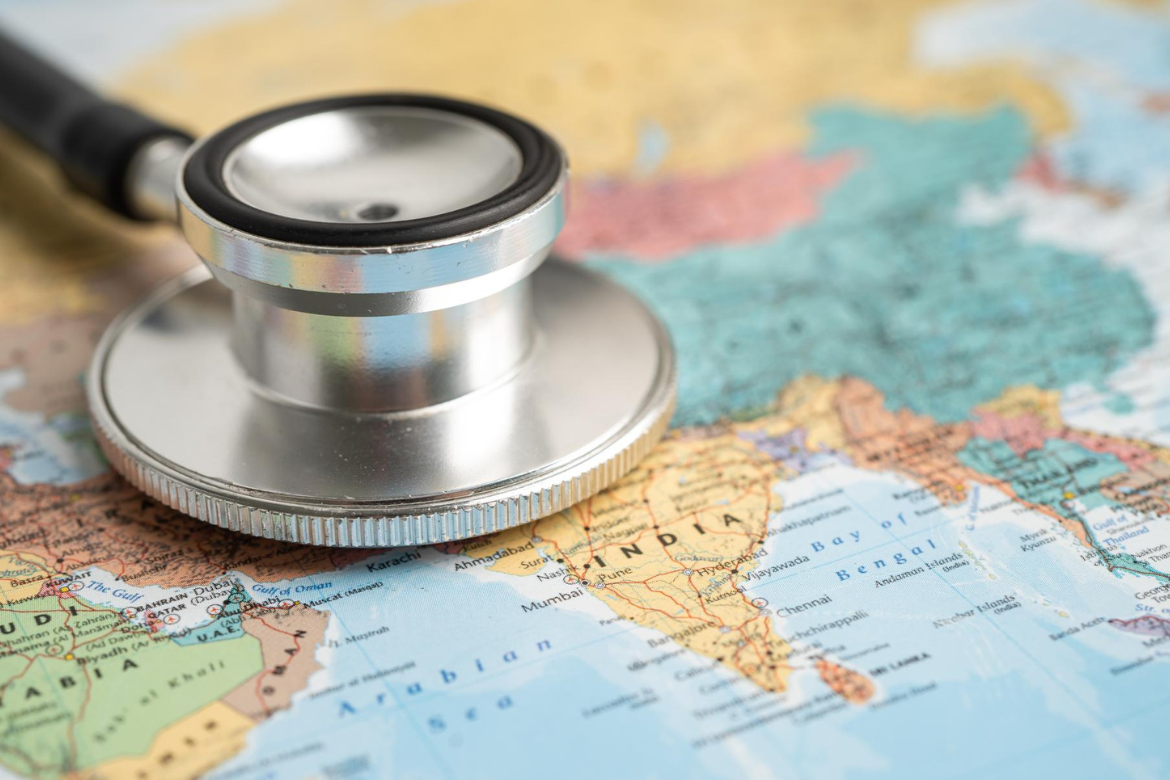
India is one of the most preferred destinations for medical travelers. This guide explains the costs, leading treatments, patient trends, and why Bangalore is emerging as a top hub.
Medical Tourism in India
Medical tourism is traveling to another country for healthcare. India has positioned itself as one of the strongest players in this sector. In 2024, the country welcomed around 644,387 international patients, creating a medical tourism market worth US$8.18 billion. Hospitals here offer advanced technology, affordable care, and highly skilled specialists. Bangalore in particular is now a key destination for global patients, known for its modern hospitals and supportive ecosystem.
Why India is a Global Leader in Medical Tourism?
Cost Advantage
The most striking benefit is affordability. Treatments in India are 60–80% less expensive than in the US or UK. Patients benefit from advanced technology, accredited hospitals, and experienced specialists, all at a remarkably lower overall cost.
World-Class Healthcare Infrastructure
India hosts more than 800 NABH-approved hospitals and over 50 with JCI accreditation. Robotic surgery, advanced transplant programs, and cutting-edge oncology facilities are widely available.
Skilled Doctors and Multilingual Support
Indian doctors are internationally trained and recognized for expertise in cardiology, oncology, orthopaedics, and other specialties. Most medical teams communicate fluently in English. Many hospitals also offer interpreters for Arabic, French, and African languages.
Minimal Waiting Times
Patients rarely face long delays. Surgeries that take months to schedule in countries such as Canada or the UK are often available within days or weeks in India.
Top Treatments Sought by International Patients in India –
- Cardiac Care
India is a global leader in heart procedures such as bypass surgery, valve replacement, and angioplasty. Around 200,000 cardiac surgeries including 60,000 open-heart surgeries are performed annually, many at JCI-accredited hospitals. International patients save nearly 70–80% compared to US costs.
- Orthopaedics
Hip and knee replacements, along with spine surgeries, are in high demand. Thousands of joint replacement surgeries take place in India each year. Patients often experience shorter waiting times and spend one-fourth of what they would in Western countries.
- Cancer Treatment
Advanced cancer care combines surgery, chemotherapy, radiation, and targeted therapies. Leading cancer hospitals in India treat 1.2 million new cancer cases annually. Patients from Africa and the Middle East travel here for cost-effective oncology solutions with modern equipment.
- Fertility & IVF
India is one of the top destinations for fertility treatments, including IVF, surrogacy (where permitted), and advanced reproductive technologies. The IVF success rate in India averages 30–35% per cycle, comparable with the US and Europe, at a fraction of the cost.
- Organ Transplants
Liver, kidney, and bone marrow transplants are performed in specialized centres under strict ethical and regulatory guidelines. India performs more than 12,000 organ transplants each year, making it one of the largest transplant hubs in Asia.
- Cosmetic and Dental Procedures
Affordable cosmetic surgery and dental care attract patients from Europe, the Middle East, and North America. Procedures such as implants, facelifts, and smile makeovers cost 50–70% less than in Western countries while maintaining high safety standards.
Key Statistics on Medical Tourism in India
- In 2024, India welcomed 644,387 international patients for medical treatment, marking a significant rise from 474,798 in 2022.
- The e-Medical Visa makes travel easier for patients from 171 countries, offering fast online processing.
- Leading source countries in 2024 include Bangladesh (482,336), Iraq (32,008), Somalia (11,717), Oman (10,431), and Uzbekistan.
- The Heal in India campaign is fostering public–private partnerships to establish India as the world’s most trusted medical and wellness destination by 2035.
- The medical tourism market reached USD 8.18 billion in 2024 and is expected to grow to USD 27.12 billion by 2032, at a CAGR of 16.18%.
Why Choose Bangalore as Your Medical Tourism Destination
- Hosts multi-speciality & super-speciality hospitals (Apollo, Fortis, Manipal etc.) with JCI/NABH accreditations and advanced specialties.
- Excellent international flight connectivity with well-developed airport.
- Strong support infrastructure: concierge, accommodation, translational services, international patient desks.
- Safe cosmopolitan culture and comfortable stay options, known for smooth recovery with minimal logistical stress.
- All Quest Global, Bangalore based medical tourism company has served patients from 25+ countries, guiding every step: doctor selection, visa support, treatment planning, airport pickup & stay arrangements.
Countries Where Patients Come From
Asia
Bangladesh: 4,82,336
Iraq: 32,008
Yemen: 13,962
Oman: 10,431
Uzbekistan: 8,921
Maldives: 10,971
Afghanistan (numbers not specified)
Pakistan: ~200 (low but notable)
Africa
Somalia: 11,717
Sudan: 6,856
Kenya: 5,826
Nigeria: 4,381
Tanzania: 4,088
Ethiopia, Uganda, Ghana (numbers not specified)
Middle East
Saudi Arabia (numbers not specified)
Europe
United Kingdom: 785 medical tourists (2024 data)
Switzerland (numbers not specified)
Americas
United States: 1,911 medical tourists (2024 data)
Canada (numbers not specified)
Oceania
Australia (numbers not specified)
Role of a Medical Tourism Company in India
Coordinating End-to-End Medical Travel
Every step of the journey is carefully organized, from arrival to departure. On-the-ground coordination with nearby hospitals and support services ensures schedules run smoothly, minimizing stress for patients and their families.
Helping Patients Choose the Right Hospitals and Specialists
Patients receive guidance in selecting hospitals and specialists that align with their medical requirements. Local presence in Bangalore helps confirm availability and readiness, allowing treatment plans to proceed efficiently and reliably.
Transparent Cost Estimates and Treatment Packages
Clear, detailed estimates cover treatment, accommodation, and travel arrangements. Familiarity with local hospital practices allows accurate planning and flexible packages, helping patients feel confident about their choices.
Visa Assistance and International Patient Support
Support with medical visa applications and documentation simplifies travel arrangements. Immediate access to local resources allows quick resolution of any queries or requirements that may arise.
Language Interpretation and Cultural Assistance
Multilingual interpreters and cultural support help patients communicate comfortably and navigate hospital processes. Close coordination with facilities ensures that care is delivered smoothly and sensitively.
Airport Transfers, Accommodation, and Local Transport
Safe and convenient transfers, along with nearby accommodation, are arranged to create a seamless experience. Coordinated local planning ensures flexibility for any last-minute adjustments or special requests.
How to Plan Your Medical Trip to India
Share medical reports for initial evaluation.
Patients send in their medical records and diagnostic reports for review. Before moving further, case managers do a full assessment to make sure they understand all the details of the ailment and the treatment needs.
Receive cost estimates and expert doctor opinions.
Quotations are obtained from multiple leading hospitals simultaneously. Costs, treatments, and facilities are compared to make sure that patients get the best treatment plan at prices that are clear and reasonable.
Apply for a medical visa.
Once patients have their hospital invitation letters and treatment records ready, they can apply for medical visas. Dedicated support staff help make paperwork easier and speed up the approval process.
Pre-departure assistance and health advisory
Patients receive comprehensive guidance on documentation, travel preparation, and pre-treatment medical advice. Counselling ensures clarity on whether the procedure involves invasive surgery or non-invasive therapy, reducing uncertainties before travel.
Arrival and hospitalization support
Travel plans, airport transfers, language interpreters and suitable accommodation near the hospital are coordinated in advance. A personal case manager is available throughout hospitalisation to make sure that patients are comfortable and the family is taken care of.
Wellness and recovery programs
Following the advanced treatment in an accredited hospital, patients may opt for complementary wellness therapies, including Ayurveda, yoga, and lifestyle programs, promoting faster recovery and long-term well-being.
Post-treatment care and global follow-up
After discharge, follow-up appointments are set up through digital platforms to make sure that medical care continues from their home country. Telemedicine facilitates their recovery and allows them to monitor their health closely.
FAQs
Is healthcare in India internationally accredited?
Yes. 800+ NABH-accredited hospitals and 50+ with JCI approval follow global safety and quality standards.
Is a medical visa required?
A medical or e-medical visa is mandatory. The government has simplified the process for quicker approvals.
How long is the recovery period in India?
It varies. Some treatments require a short stay of a few days, while major surgeries may require several weeks.
What is the role of a medical tourism company?
The company provides guidance in selecting hospitals, estimating costs, and arranging visas, accommodation, transfers, and follow-up care.
Call to Action
Plan a safe and affordable medical journey to India with expert guidance.